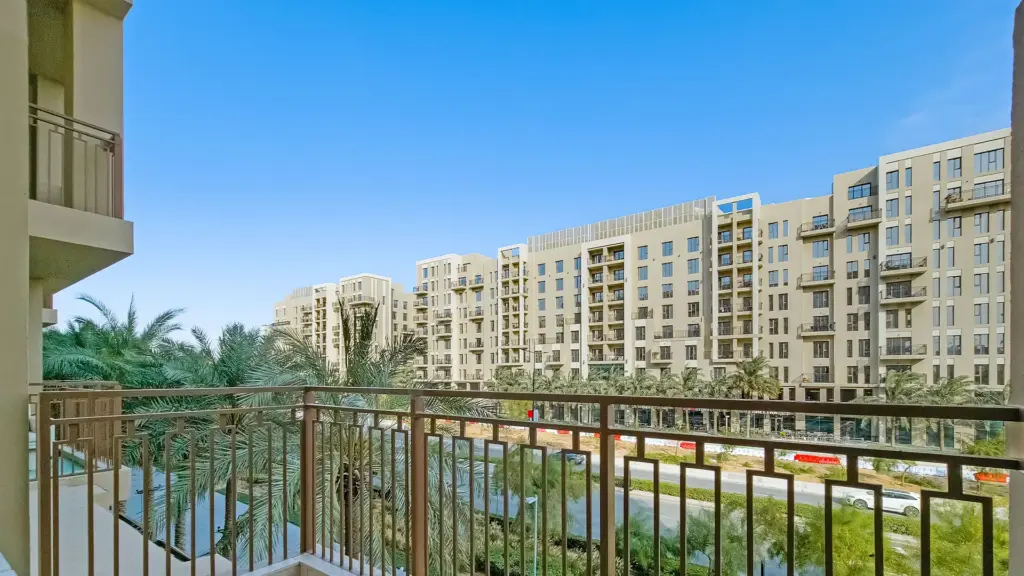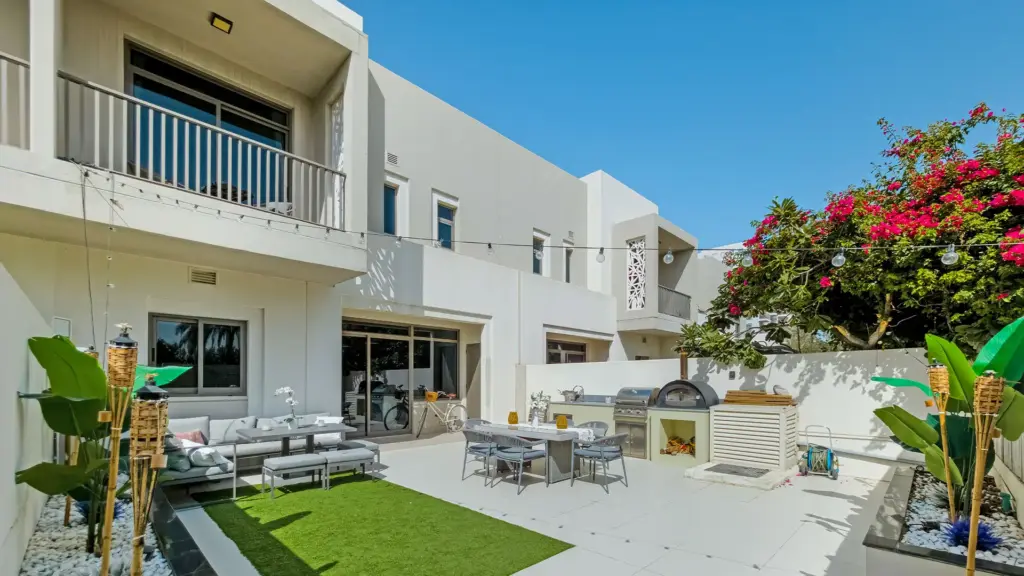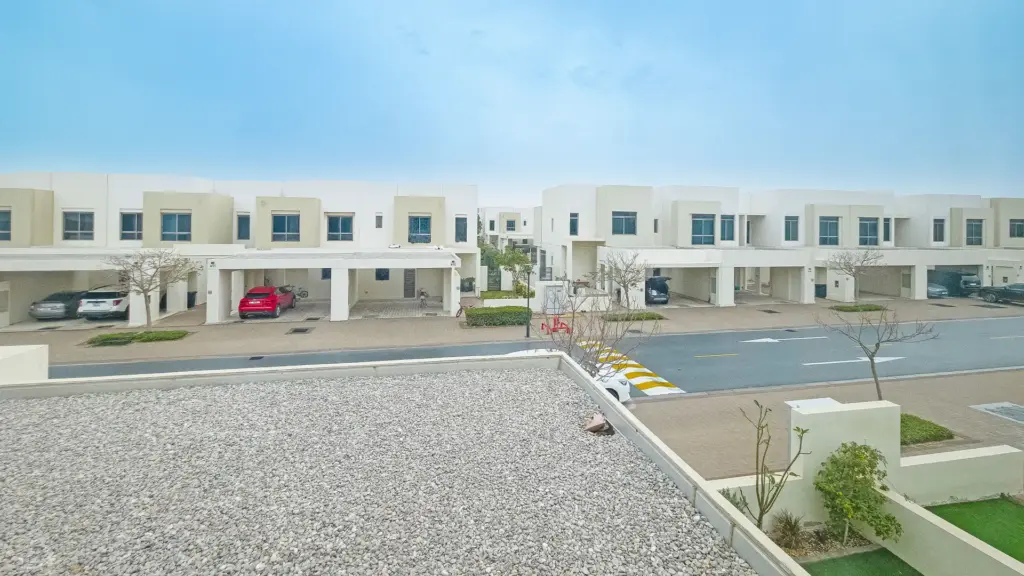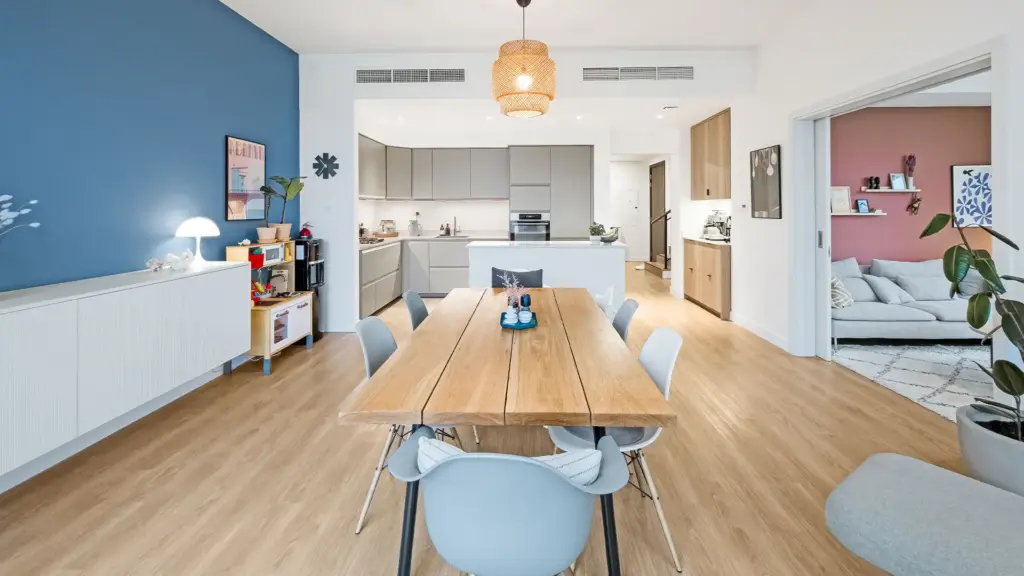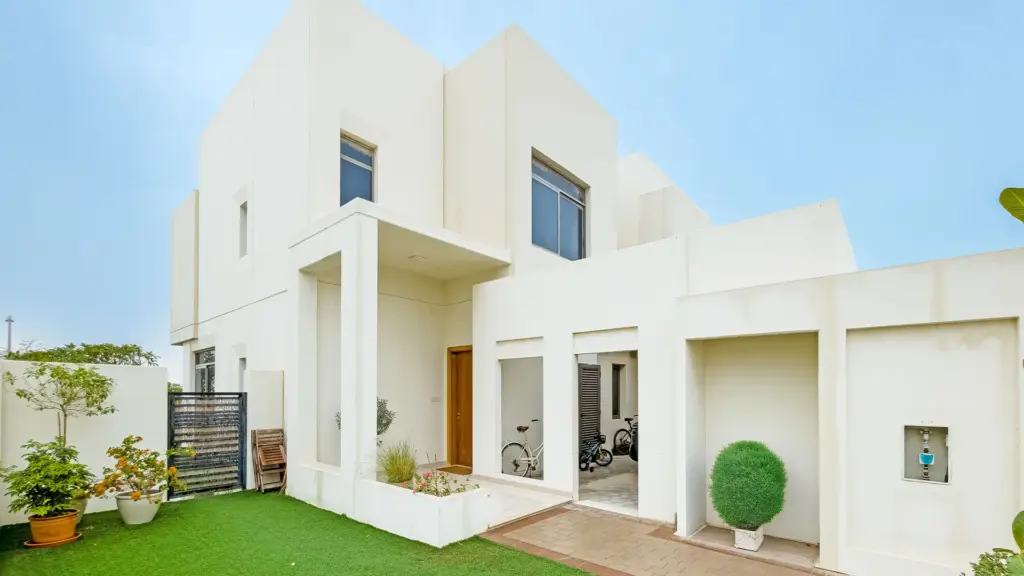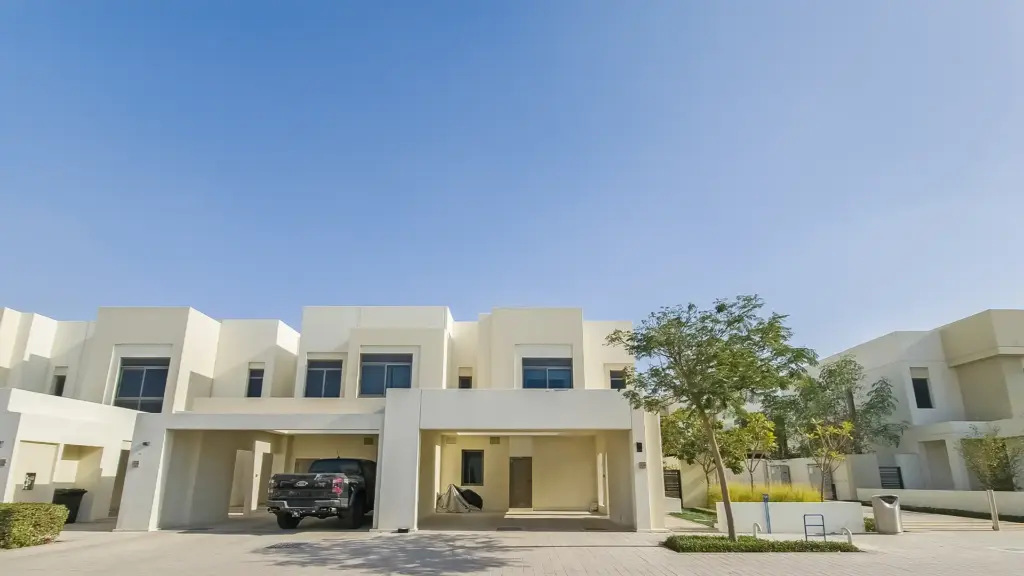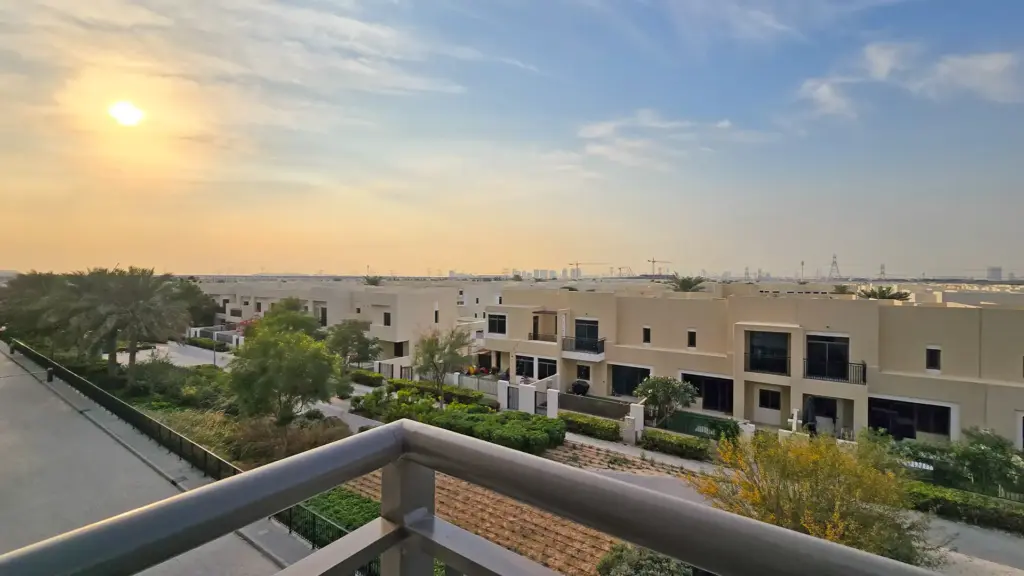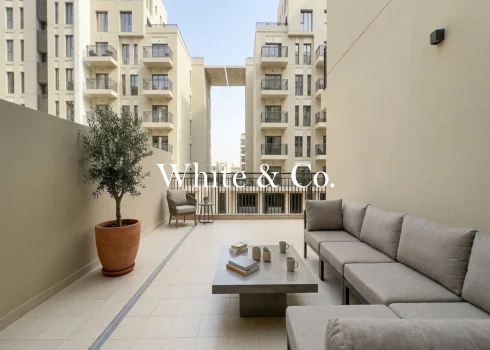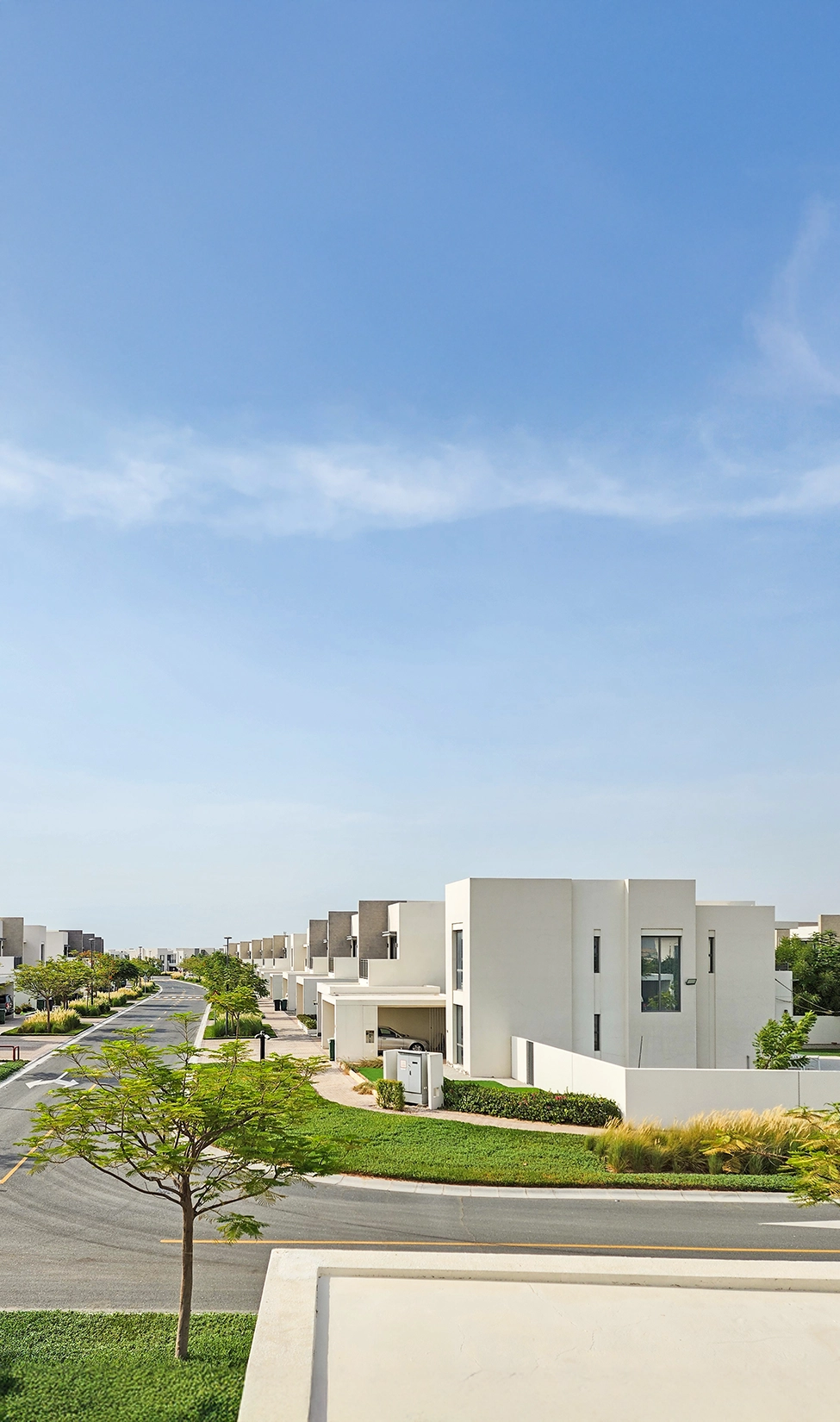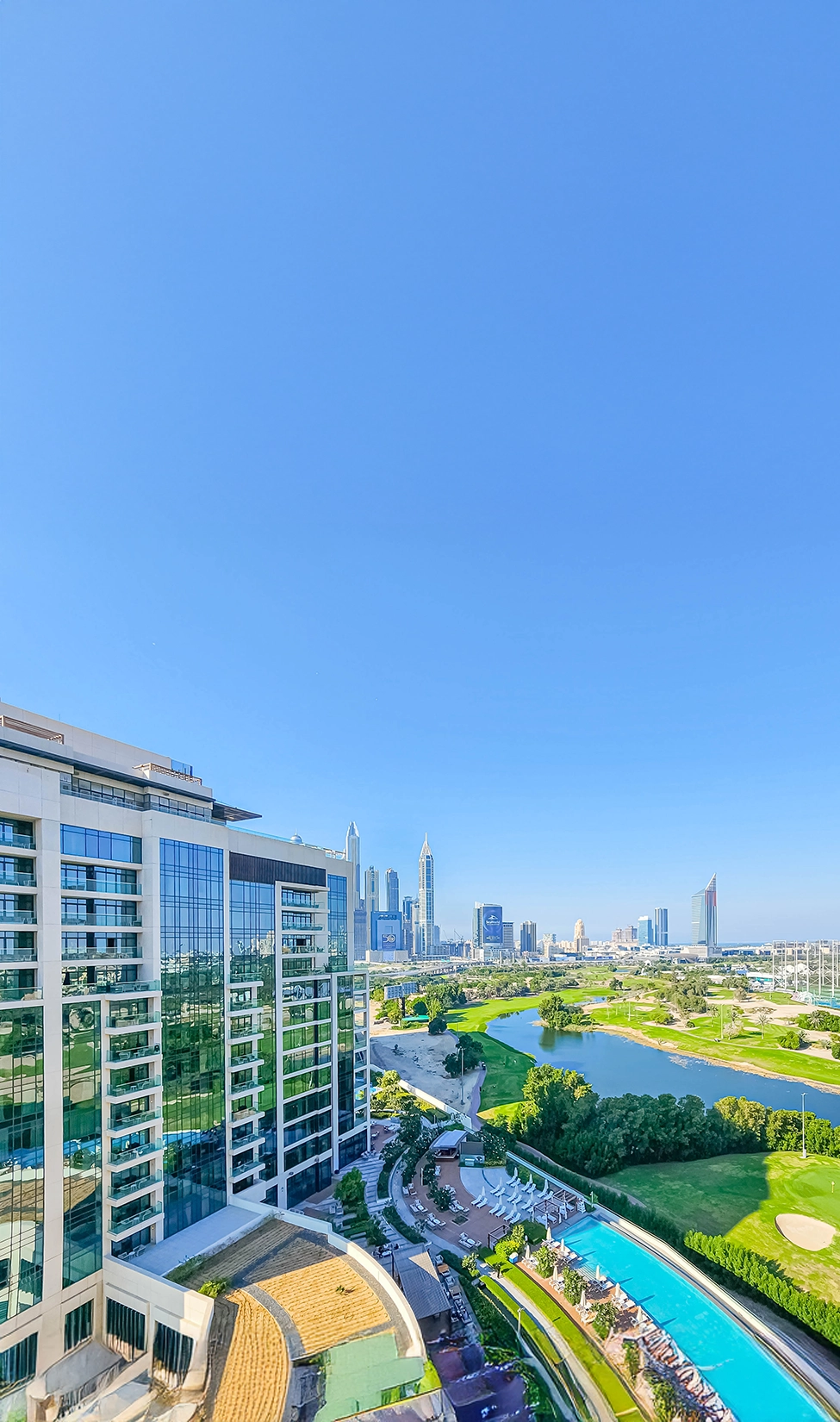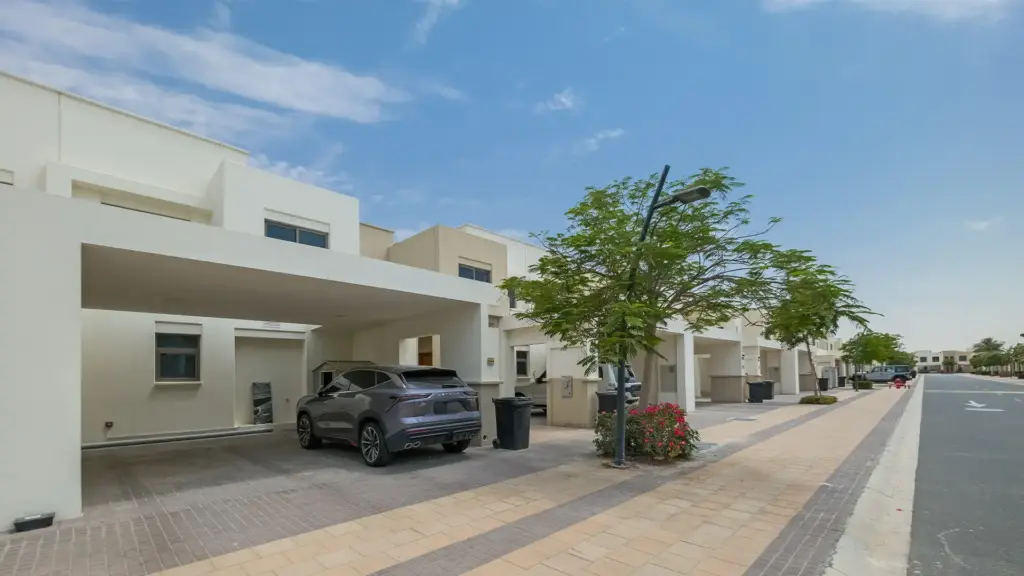
The motivation is consistent: space, affordability and a community that functions as one. Buyers comparing Town Square against similarly priced options elsewhere in Dubai tend to find that the park infrastructure, the cycling network and the overall sense of a planned neighbourhood outweigh what they might get from a cheaper apartment in a more central but less considered location.
Families are the dominant buyer profile and the community was designed for them. The play facilities, pet-friendly parks and dog runs, security patrols, nurseries within the development and schools nearby reflect intentional planning rather than post-hoc family-friendly marketing. That intentionality shows in the daily experience in a way that retrofitted community claims at other developments do not.
First-time buyers represent another consistent segment. Town Square offers the rare combination of a freehold property, a garden and a mortgage viable on a mid-range Dubai salary. Nshama built this community specifically to address a gap in the market for middle-income home ownership, targeting households earning between AED 20,000 and 35,000 per month who wanted to buy rather than rent indefinitely. That positioning explains why the community absorbed a large and stable residential base relatively quickly.
Investors are active here too, drawn by yield figures and a development trajectory that still has off-plan phases in the pipeline. Elaya, FIA, Savannah and Alton are all due for handover between 2026 and 2028, maintaining transactional activity and rental demand.