Why Al Barari Is One of Dubai’s Most Exclusive Green Communities
There are communities in Dubai that are designed to feel green, and then there is Al Barari, a place built around greenery from the start. Spanning 18 million square feet in Dubailand, with 60% of that space given over to landscaped gardens, natural lakes, freshwater streams and botanical plantings, Al Barari has no real equivalent in the city. The name translates from Arabic as wilderness, and while the community is clearly curated rather than wild, the intention behind that name is visible from the moment you enter the gates.
What makes Al Barari genuinely unusual is not the greenery alone but that the greenery has been here long enough to mature. Trees have height. Gardens have depth. The community is finished, settled and functioning. In a city where most addresses are mid-construction or recently handed over, that distinction is more significant than it sounds.
Why Buyers and Investors Choose Al Barari Dubai
Privacy comes up first and consistently. Al Barari does not feel like a neighbourhood where you know what your neighbours are doing or they know what you are doing. The scale, the greenery and the gated setting create a separation from the city that buyers seeking discretion find difficult to replicate elsewhere in Dubai.
Closely connected to that is the community’s appeal to high-net-worth individuals who are not looking to broadcast their address. There is nothing showy about Al Barari. Properties are large and well-finished but the ethos is calm rather than conspicuous. Buyers who have tired of addresses defined by their status signal tend to find Al Barari more aligned with how they actually want to live.
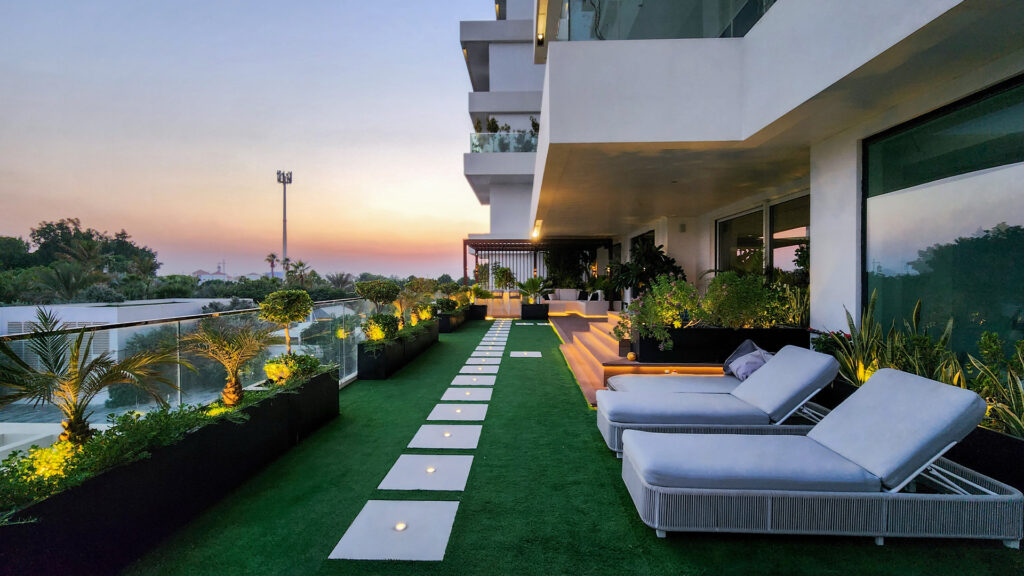
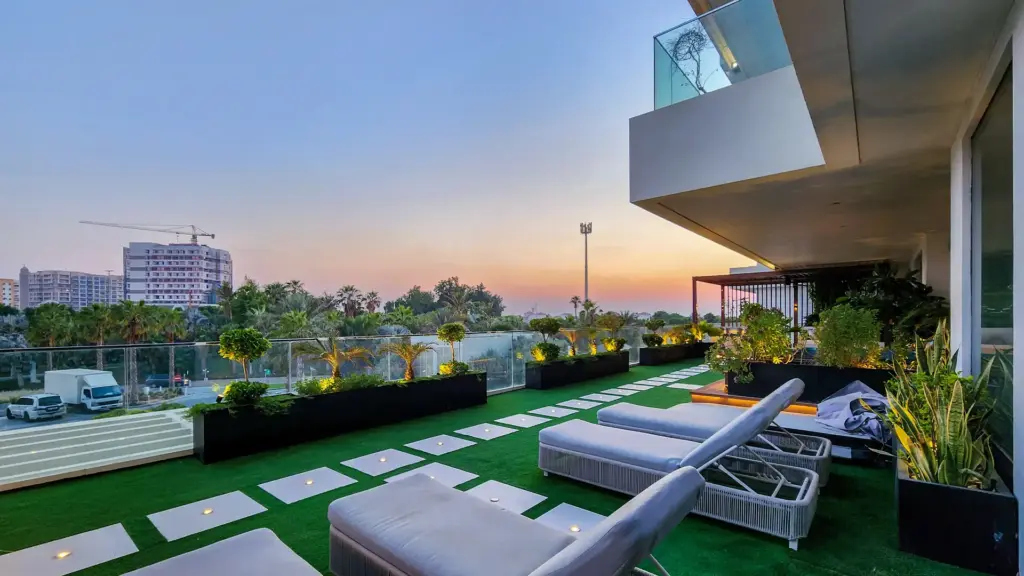
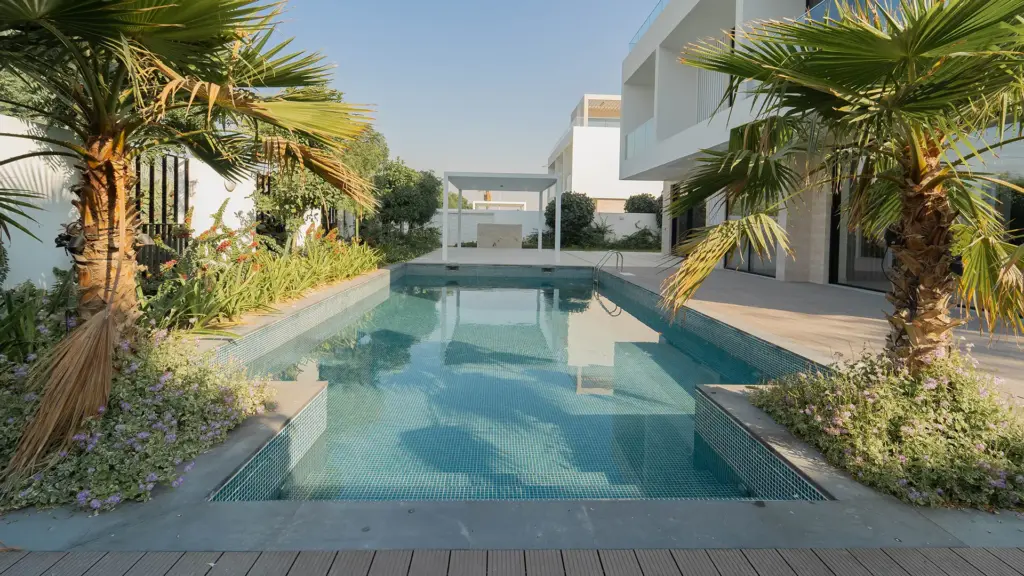
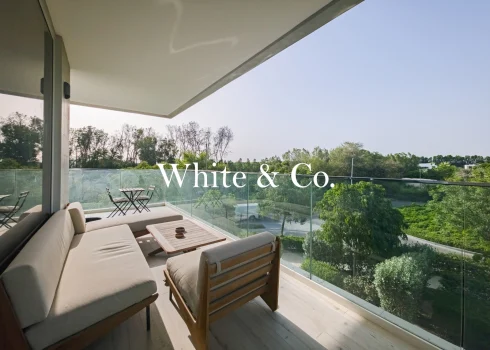
The physical environment is a draw in its own right. The greenery is what buyers mention first on viewings, and it lands differently in person than in photographs. The combination of mature planting, water features and open space creates an atmosphere that needs to be experienced rather than described. Villa sizes that are genuinely large by any standard compound that first impression.
Families are well-represented in the buyer profile. The community is calm, private and enclosed, with enough space for children to use freely. It is not a transient address. People who move here tend to stay.
What It’s Really Like Living in Al Barari Dubai
A typical morning might start at Body Language, the community’s health club, which is well-equipped and set within the development’s garden landscape in a way that makes using it feel less like an obligation. By mid-morning the communal gardens are quiet, green spaces largely yours, the city existing somewhere beyond the perimeter but not felt within it.
The Farm handles lunch and dinner for residents who prefer to eat out without leaving. It is a proper restaurant with a loyal following well beyond the community: its reputation extends across Dubai and booking ahead on weekends is advisable. Evenings there are unhurried in a way that reflects the community’s broader character.
Residents who cook at home have a fishmonger and florist within the development, small conveniences that reflect a deliberate approach to making daily life workable within the gates. Weekend mornings have a particular quality here: outdoor spaces come alive without ever feeling crowded.
Beyond that, daily life requires occasional drives for schools, larger supermarkets and wider retail. For most residents that drive is an exception rather than a routine, and the journey times to Downtown, DIFC and Business Bay sit at around 20 to 25 minutes, a reality that consistently surprises buyers who have dismissed Al Barari on connectivity grounds before visiting.
Day-to-Day Lifestyle and Wellness Living in Al Barari
The rhythm of Al Barari is unhurried by design. Early morning walks through the botanical areas before the heat builds are a common part of daily life for residents. The lagoon and its surroundings see habitual daily use rather than occasional visits. Heart & Soul spa operates at a level that would be considered strong anywhere in Dubai: not a hotel add-on but a standalone facility that residents use consistently rather than treating as a special occasion.
The Farm’s setting within the garden landscape is unlike any other dining experience in the city. It is the obvious community landmark but worth noting separately because its quality extends well beyond what a community restaurant typically delivers. It draws people from across Dubai specifically to dine there.
For families, the community is calm and enclosed enough that children use the outdoor space freely. The green infrastructure absorbs family activity without feeling stretched. Community events and the shared spaces create a social texture that is present without being imposed.
For professionals and couples, Al Barari provides genuine separation between work and home in a way that busier communities cannot. The quiet is structural rather than occasional: no image communicates it accurately, and buyers coming from denser communities consistently describe the contrast as more pronounced than they anticipated.
Luxury Villas, Apartments and Property Types in Al Barari
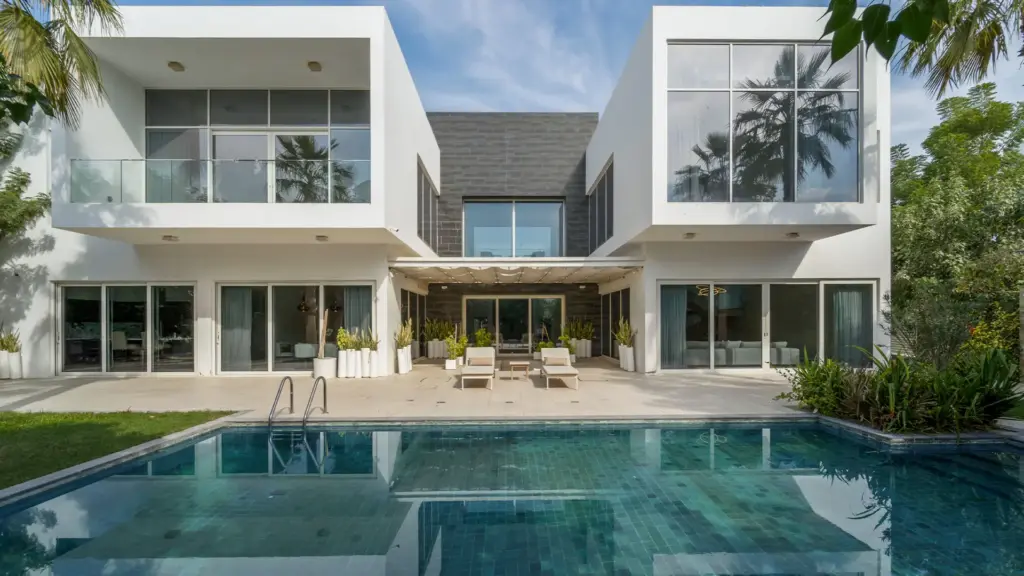
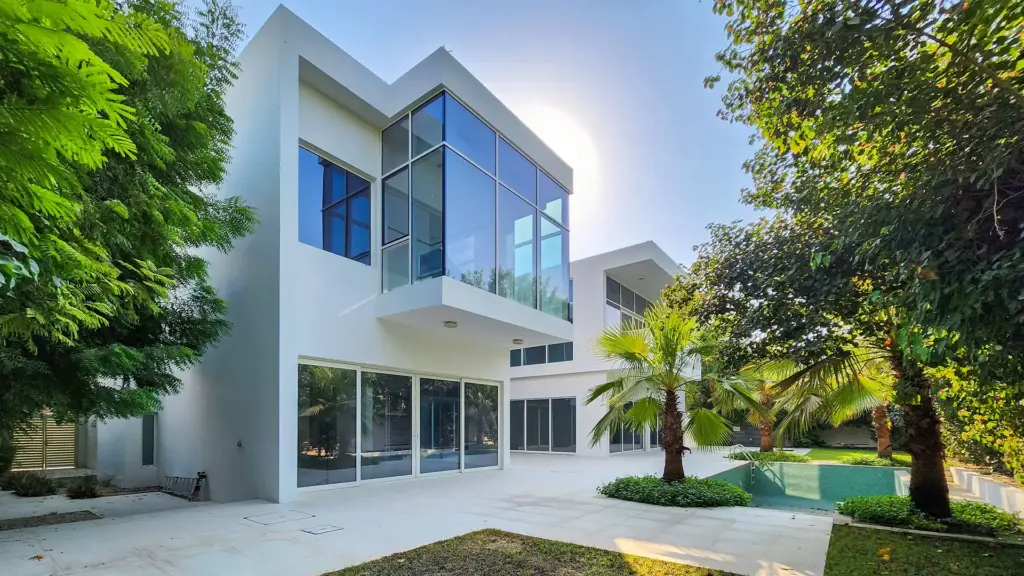
Al Barari is predominantly a villa community. Sub-communities including The Nest, The Reserve, The Residences, Seventh Heaven, Ashjar and The Neighborhood offer a range of configurations with the emphasis throughout on space, privacy and quality of finish.
The Residences are available in four villa types: Acacia, Bromellia, Camellia and Dahlia, each with generous plot sizes and a design language that prioritises natural materials and connection to the outdoor environment. The Nest comprises 55 villas and The Reserve 28, both among the more private sub-communities within the development.
Seventh Heaven, Ashjar and The Neighborhood provide the apartment inventory within Al Barari: large-format units by most standards, positioned within the same green setting as the villas rather than in a separate residential precinct.
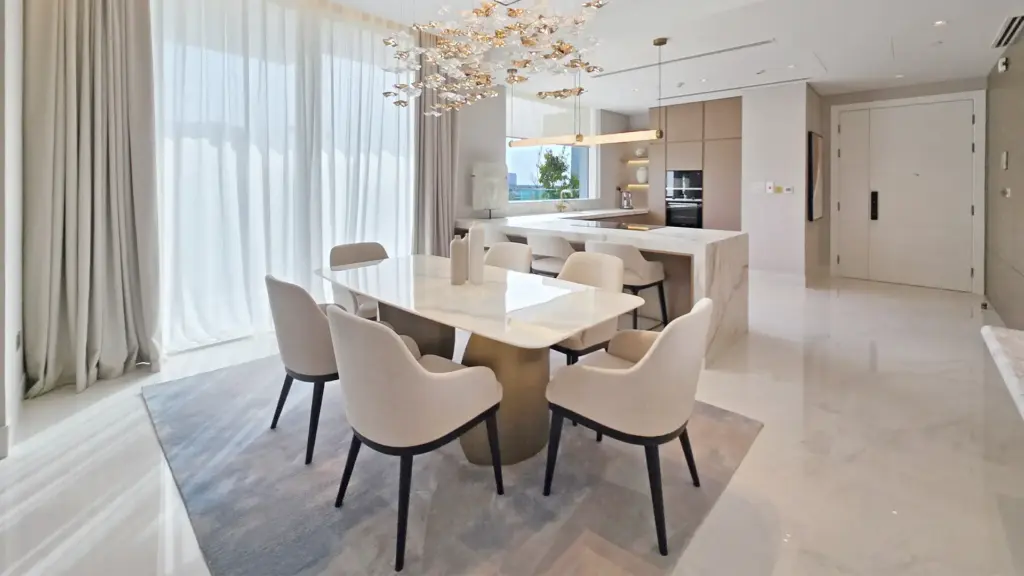
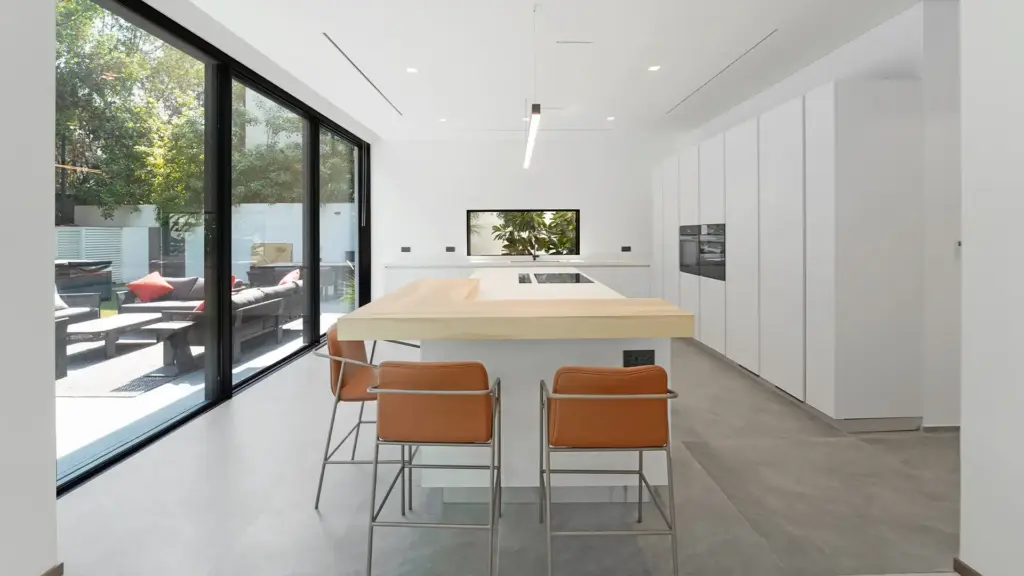
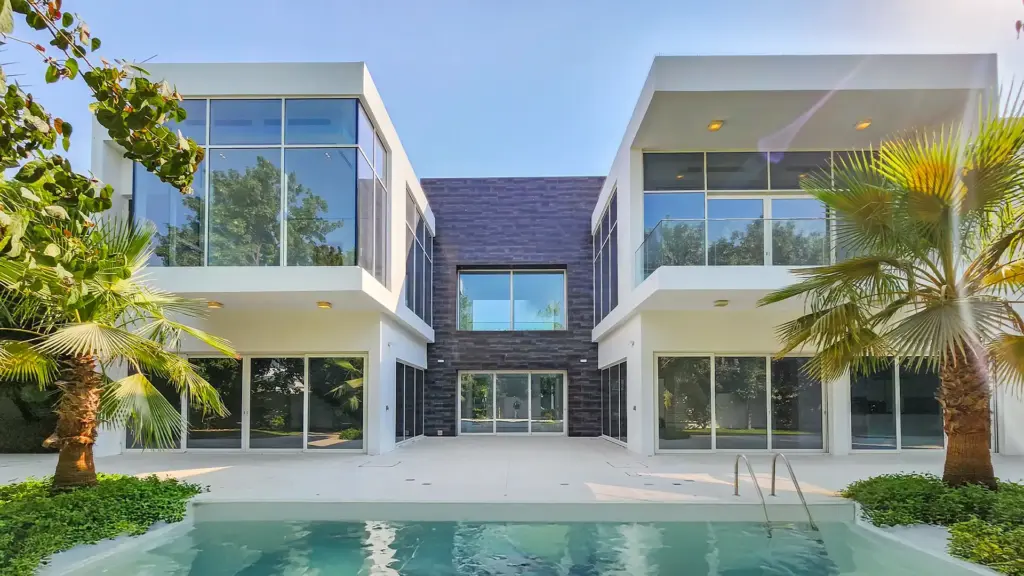
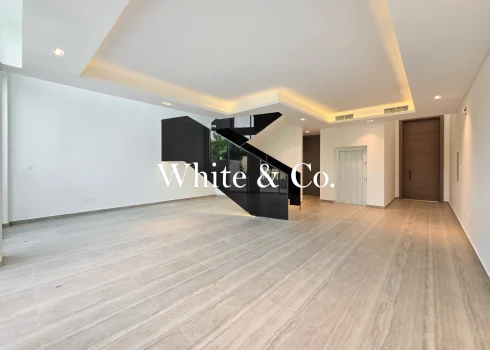
Villa sizes are substantial across the development. Internal floor plates are large, plots are generous and layouts prioritise light, outdoor access and separation from neighbouring properties. That scale makes renovation genuinely feasible in a way it is not at more tightly built developments. The developer’s approach to owner modifications is more permissive than at many comparable addresses, though the specifics vary by sub-community and should be verified before committing.
Who Should Buy Property in Al Barari Dubai
Al Barari suits buyers who value privacy as a genuine priority rather than a preference, who want a large villa with outdoor space connected to a natural environment and who have moved past wanting to be central in favour of quality of daily life. Families looking for a calm, enclosed community with room for children find it well-matched. Buyers with renovation intent find the plot sizes and modification flexibility give them more to work with than most alternatives at this price point.
It does not suit buyers who need fast access to a beach community lifestyle or who want density of dining and retail within walking distance. It does not suit those looking for a wide selection of properties to choose between: inventory is limited and moves quickly. And it does not suit buyers who need or want the energy of a mixed-use urban environment. The decision tends to come down to what you actually want from daily life rather than what appears logical on paper.
Most buyers who dismiss Al Barari on the basis of location or photographs reconsider after spending an hour inside the gates. Visiting before forming a view is worthwhile.
What to Know Before Buying Property in Al Barari
Supply is fixed. There are fewer than 200 ready villas in Al Barari and that number will not increase significantly. Buyers who take time deliberating and return to the market often find that specific properties have moved. Good stock here does not reward extended consideration.
The travel time perception is consistently inaccurate. Al Barari looks further from central Dubai on a map than it is in practice. Journey times to Downtown, DIFC and Business Bay sit at around 20 to 25 minutes, comparable with Jumeirah Golf Estates and parts of Emirates Hlls. A new road connection to Al Khail Road currently under development will reduce this further and expand the pool of buyers who consider the community seriously.
Service charges reflect what it costs to maintain the landscaping, facilities and infrastructure at this standard. They are not low but they are what keeps the community looking the way it does. Factor them into your cost of ownership honestly rather than treating them as a footnote.
If renovation is part of your thinking, clarify the developer’s approval requirements for the specific sub-community and property before committing. The flexibility is real but the details vary and it is better to understand the process before purchase than after.
Run the commute yourself at different times of day before deciding. The gap between the map impression and the reality is meaningful and that gap matters when you are making a long-term decision.
What Online Photos of Al Barari Don’t Show You
The scale is the most significant gap between listings and lived experience. Al Barari photographs relatively small. The gardens, the pathways, the distance between properties: none of it reads accurately until you are inside the gates moving through the community on foot. What looks like a pleasant green development in images is a genuinely expansive, enveloping environment in person.
The maturity of the planting does not translate to photography. Photographs flatten depth and cannot convey the difference between recently planted greenery and gardens that have been growing for years. Al Barari’s trees have height. The landscape has settled. That takes time to achieve and it is immediately obvious on a visit in a way that no image captures.
The quiet is perhaps the most significant thing photographs cannot communicate. The city exists beyond the perimeter, but inside the ambient environment is genuinely calm: birds, water, wind in the trees. For buyers arriving from busier communities, the contrast is striking and it tends to be decisive.
The atmosphere on a weekday morning or a weekend evening, the community at its most characteristically itself, is something a listing photograph cannot capture. It is the reason visiting before forming a view matters more here than at most communities.
Al Barari Dubai Investment Potential and Future Growth
The fundamentals for Al Barari are straightforward: supply is capped, demand is consistent and the development trajectory is additive rather than dilutive. Phase II will expand the community’s amenity base with a hotel, medical facilities, a business school and additional retail without adding materially to the residential supply. That is an unusual position for a development to be in and it supports values over time in a way that larger, more open-ended communities cannot replicate.
The surrounding Dubailand area is developing at pace. Major residential projects from multiple developers are reshaping the wider corridor, adding infrastructure, population and connectivity. Each of those projects extends the area’s reach without touching Al Barari’s character or inventory.
The Al Khail Road connection, once complete, removes one of the most common objections from buyers who have discounted the community on connectivity grounds. That will expand the interested buyer pool and apply further pressure to an already constrained supply.
For buyers weighing Al Barari against off-plan alternatives in the same region, the question is whether you are buying a vision or a reality. Al Barari is already what it says it is. The greenery is mature, the community is functioning and the daily life it offers is available now rather than on delivery in 2027 or 2028. For buyers who value that certainty, the case is clear.