
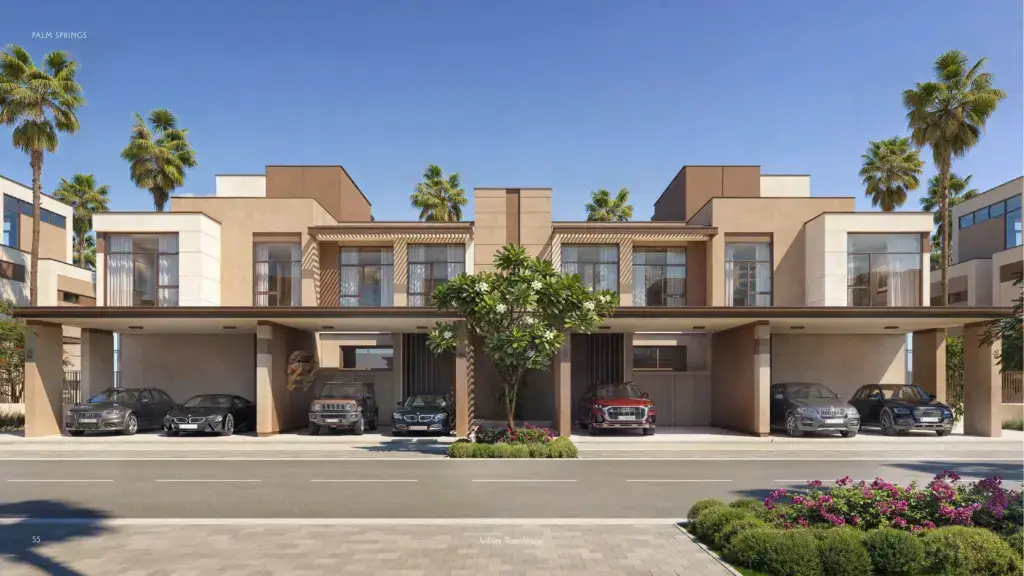
Thinking about buying off-plan property in Dubai? With access to new developments and flexible payment plans, it can be an attractive option whether you’re looking for your next home or an investment.
But where do you start?
From finding the right development and choosing your property to paying your deposit and collecting your keys, here’s how the off-plan buying process works and what to expect at every stage.
How Does Buying Off-Plan Property in Dubai Work?
There are nine main steps, from choosing a development to receiving your keys.
1. Find the Right Real Estate Agent and Development
Start by finding an experienced off-plan agent who understands the Dubai property market and can help you compare developments based on your goals, budget and timeline.
At White & Co., our agents work with leading developers across the UAE, helping buyers explore available projects, compare payment plans and find properties that suit their needs. You can also explore our off-plan properties in Dubai to see what’s currently available.
Whether you’re buying a home to live in or a property to rent out or resell, consider the developer’s track record, location, price, future supply and expected completion date.
You should also confirm that the project is registered with the Dubai Land Department (DLD). The DLD’s project registration service outlines the requirements developers must meet.
2. Reserve Your Unit
Once you’ve selected a property, you’ll sign a booking form confirming the unit and initial purchase terms.
You’ll generally need your passport, residential address and contact details. Non-residents can purchase eligible properties in Dubai’s designated freehold areas, often without travelling to the UAE.
Check the cancellation and refund terms before signing.
3. Pay the Deposit
The initial deposit is commonly 5-20% of the purchase price, depending on the development. This forms part of the property price, not an additional charge.
Payments should be made through the developer’s authorised process into the designated project escrow account.
Under Dubai’s real estate escrow regulations, off-plan project funds are held and managed under specific requirements designed to protect buyers.
4. Sign the Sale and Purchase Agreement (SPA)
The SPA is your contract with the developer. It confirms the purchase price, payment schedule, property specifications and completion arrangements.
Before signing, check the terms covering construction delays, missed payments, cancellation and selling before handover.
These conditions vary between developers, so don’t assume every contract is the same.
5. Register Your Purchase
The developer registers your purchase through Dubai’s interim property register, commonly associated with Oqood.
This creates an official record of your interest in the property while it’s under construction. The DLD’s initial sale registration service explains the process.
6. Make Your Instalment Payments
You’ll pay according to the agreed schedule, either on fixed dates or at construction milestones.
Make sure you can comfortably meet every instalment, particularly any larger payment due at handover.
7. Follow Construction Progress
Developers generally provide construction updates, while buyers can also check available project information through the Dubai Land Department and Dubai REST app.
Keep your payment receipts and documents organised, and ask for clarification if the expected completion date changes.
8. Prepare for Handover
When the property approaches completion, you’ll be notified of outstanding payments and handover requirements.
Budget for the final instalment, service charges, utility deposits and any applicable mortgage costs.
9. Inspect the Property and Collect Your Keys
Before accepting a handover, your agent can help you to arrange a snagging inspection to identify defects or unfinished work.
Once the required payments and formalities are complete, you’ll receive your keys and final ownership documentation, including the title deed.
Off-Plan Payment Plans in Dubai Explained
Flexible payment plans are one of the main attractions of buying off-plan. The structure varies by developer and project, with payments typically spread across construction, handover and sometimes beyond.
| Payment plan | How it works |
| Construction and handover | Pay in instalments during construction, with the remaining balance due at handover. The percentage split varies by project, with examples including 60/40 or 70/30. |
| Post-handover | Pay a portion during construction and continue making instalments after receiving the keys. |
A longer payment plan can offer flexibility, but it may also be reflected in the purchase price. Compare the total cost, not just the instalments.
Can You Get a Mortgage for Off-Plan Property in Dubai?
Yes, financing is available for off-plan properties in Dubai, although the options depend on the developer, project and stage of construction.
Many buyers fund construction instalments themselves and arrange mortgage financing closer to handover. Some banks also offer mortgages during construction on eligible developments.
Mortgage eligibility, lending limits and property valuations can vary, so it’s worth exploring your options early.
Read our guide to off-plan mortgages in the UAE for a more detailed explanation, or speak to White & Co.’s mortgage specialists for advice on financing your purchase.
How Much Does It Cost to Buy Off-Plan Property in Dubai?
Alongside the purchase price, buyers should budget for registration and handover costs.
| Cost | What to expect |
| DLD registration | Generally 4% of the purchase price in total, plus administration charges |
| Agency commission | Usually covered by the developer on new off-plan sales |
| Snagging inspection | Varies by property and provider |
| Service charges | Ongoing building and community maintenance |
| Utilities and mortgage fees | Applicable deposits, connection and financing costs |
The DLD’s standard registration fee allocation is 2% to the seller and 2% to the buyer, although the purchase agreement may require the buyer to cover the full 4%.
Always request a full breakdown of costs from your agent before committing.
Is It Safe to Buy Off-Plan Property in Dubai?
Dubai has regulations designed to protect off-plan buyers, including project escrow accounts and official purchase registration.
However, like any property investment, buying off-plan comes with risks. Construction delays, changing property values and financing difficulties can all affect your purchase.
That’s why working with the right real estate agent is so important. An experienced agent can help you assess developers, compare projects and identify properties that suit your budget, goals and investment timeline.
At White & Co., our agents work with leading developers across the UAE, helping buyers navigate the market, understand the risks and make informed decisions.
The aim isn’t simply to find an attractive development. It’s to find the right property for you.
Off-Plan vs Ready Property: Which Is Better?
Off-plan property often comes with a lower entry price than comparable ready properties, flexible payment plans and the appeal of owning a brand-new home. Buying early in a development can also offer potential for capital appreciation and potential for capital appreciation, depending on the project and market conditions. However, you’ll need to wait until completion before moving in or earning rental income.
Ready property, also known as secondary property, offers more immediate benefits. You can inspect the home before buying, move in shortly after completion or start generating rental income much sooner. You also have greater visibility over the property’s condition, location and current rental demand.
Ultimately, the right choice depends on your budget, investment goals and timeline. If you’re looking for potential long-term growth and flexible payments, off-plan may be worth exploring. If immediate rental income or a home you can move into sooner is your priority, ready property may be the better fit.
Frequently Asked Questions
Can foreigners buy off-plan property in Dubai?
Yes. Foreign nationals can buy eligible properties in designated freehold areas, and a UAE residency visa is not generally required.
Can you sell an off-plan property before handover?
Usually, subject to the developer’s conditions. You may need to have paid a minimum percentage of the price and obtain approval before reselling.
What happens if construction is delayed?
Your rights depend on the SPA and applicable law. Check the project’s official status and seek appropriate advice if the developer isn’t meeting its contractual obligations.
Can off-plan property qualify for a UAE Golden Visa?
Certain qualifying property purchases may support a Golden Visa application. The UAE Government’s Golden Visa guidance explains the property investment category. Confirm current eligibility before relying on a purchase for residency.
Buying Off-Plan Property in Dubai With White & Co.
The right off-plan purchase starts with understanding the developer, the property and the commitment involved.
White & Co. works with established developers across the UAE, helping buyers compare opportunities, understand payment plans and navigate the process from reservation through to handover. With mortgage, conveyancing and property management expertise across the wider group, we can also help coordinate the next steps.
Considering buying off-plan in Dubai? Get in touch with White & Co. today to explore developments that suit your goals and budget.